
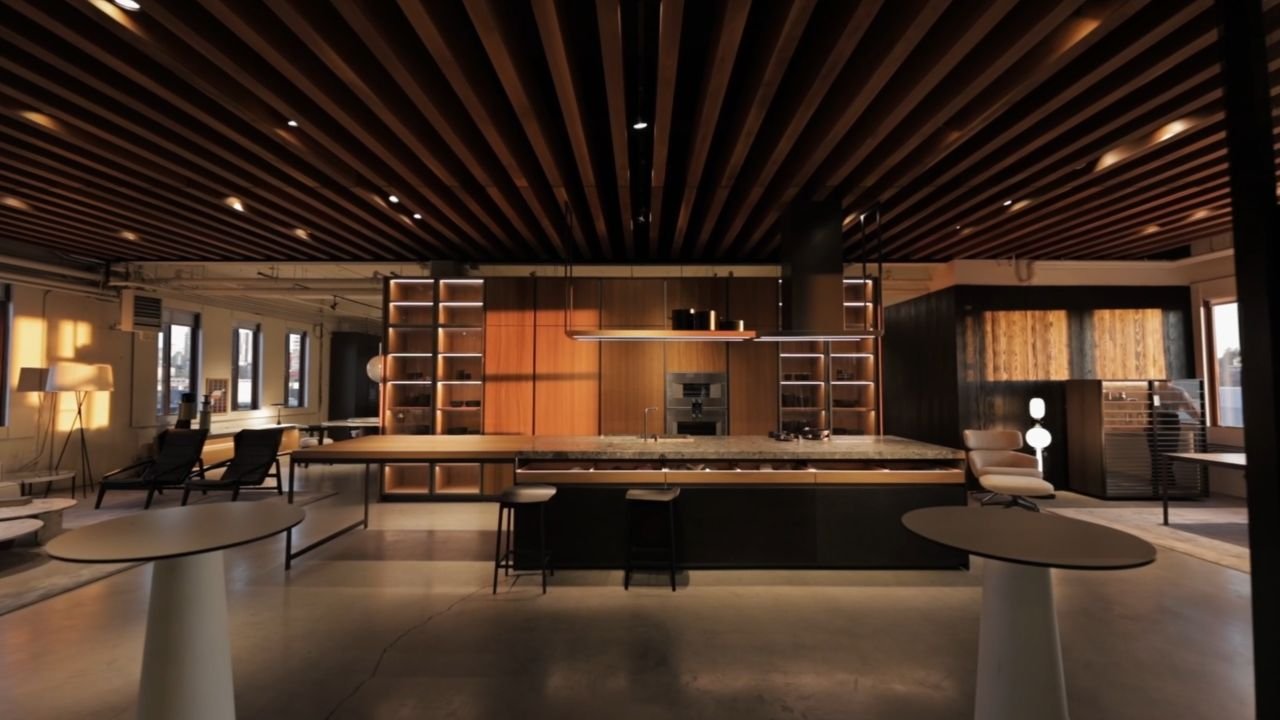
Video marketing simply means using video to bring in and convince customers: on your website, on Google, on Instagram and TikTok, in ads and in sales conversations. It is not about making something go viral. It is about showing people, quickly and clearly, who you are and why they should choose you.
Why video, and why now
Wyzowl surveys marketers and consumers every year about video. Its 2026 report found that 91% of businesses use video as a marketing tool, and 82% of marketers say it has given them a good return. On the customer side, 63% said a short video is how they would most like to learn about a product or service, far ahead of text articles at 12%. The survey is small (266 respondents), so treat the numbers as a direction rather than a promise, but the direction has been the same for years: people would rather watch than read.
For a local business, the practical point is simpler. When a potential client compares three companies on Google, the one with real video of its work, team and space looks more real and more trustworthy than the one with stock photos.
Start with one goal, not a content calendar
The most common mistake we see is starting with “we need content” instead of “we need this video to do this job.” Before you film anything, decide what the video is for:
- Win trust with people who are already looking at you (website, Google profile, proposals).
- Reach new people who have never heard of you (social media, ads).
- Explain something that is hard to explain in words (a process, a product, a space).
- Support sales (a short film you can send after a first call, or play at a pitch).
One clear goal decides the length, the format, where it is published and how you will know if it worked.
The four videos most businesses should make first
- A brand film (60–120 seconds). Who you are, what you do and what makes you different, told through your people and your work. It lives on your homepage, your Google profile and your LinkedIn. See our brand film for IMW Power Company for an example.
- Short vertical clips (15–45 seconds). Reels, TikToks and YouTube Shorts cut from the same shoot. They keep your social channels active and reach people who do not know you yet. More on this in our social media video service.
- A process or project film. Before-and-after, behind the scenes, or a project from start to finish. It is especially powerful for builders, designers, clinics and hospitality. Our Burnaby renovation film follows a home from demolition to the finished space.
- Client stories. A real client explaining the problem you solved. Nothing builds trust faster, and it answers the question every buyer asks: “Will this work for someone like me?”
Plan one shoot day that produces several assets: a main film, three to six vertical cuts and a set of photos. Filming them separately almost always costs more and looks less consistent.
How long should a marketing video be?
In the same Wyzowl survey, 71% of respondents said videos between 30 seconds and 2 minutes are the most effective. That matches what we see: a brand film rarely needs more than two minutes, and a social clip should make its point in the first three seconds. Longer formats (interviews, training, event recaps) work when the viewer has already chosen to watch, for example on YouTube or inside a client portal.
Where to use each video
- Your website: the brand film on the homepage, project films on service pages, client stories next to your contact form.
- Google Business Profile: short clips and photos of your real space and work. Real, recent media makes a local listing look active.
- Instagram, TikTok and YouTube Shorts: vertical cuts, posted regularly rather than all at once.
- LinkedIn: brand films, client stories and team content for B2B audiences.
- Paid ads: your best-performing organic clips, with a clear call to action.
- Sales: send a project film after a first meeting; it does the explaining for you.
DIY, freelancer or production team?
Phone video is fine for quick, casual social posts, and you should keep doing it. For the videos that represent your business for years, such as a brand film, a client story or a project film, professional sound, lighting and editing make the difference between “nice” and “convincing.” A useful rule: film everyday social content yourself, and invest in production for the pieces that sit on your website and in your sales process.
How to plan a budget
Video costs depend on a handful of things: how many shoot days, how many locations, the size of the crew, whether you need interviews, drone or motion graphics, and how many final versions you need. The easiest way to get value is to plan around one shoot that serves several goals and channels, instead of commissioning one video at a time. If you share your goal, timeline and rough budget, a production team can usually suggest what is realistic.
How to know it is working
Pick numbers that match the goal you chose at the start:
- Trust and sales: enquiries from your contact form and phone, and how often clients mention the video.
- Reach: views, watch time and new followers on social media.
- Website: time on page and clicks to your contact page from the pages that carry video.
- Google: calls, website clicks and direction requests on your Business Profile.
Check monthly, keep what works and cut what does not. Video marketing is a habit, not a single project.
A simple 90-day plan
- Weeks 1–2: choose one goal, plan one shoot, list the versions you need.
- Weeks 3–4: film and edit the main video and vertical cuts.
- Month 2: publish the main film on your website and Google profile; post one or two clips a week.
- Month 3: review the numbers, put a small ad budget behind the best clip, and plan the next shoot.
Luxin Media is a video and content marketing agency in downtown Vancouver. We plan, film and edit in-house, and work with businesses across Metro Vancouver and British Columbia. See our video production services and corporate videos, or tell us about your project.